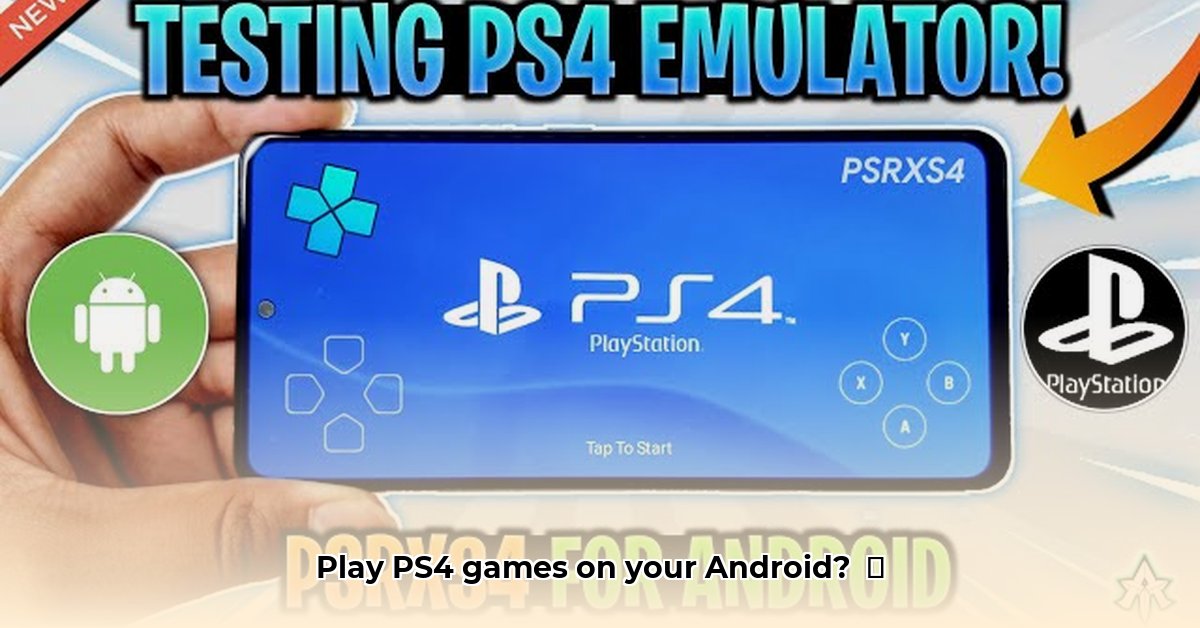
RPCS4: Emulating PlayStation 4 on Android – A Technical Review
The desire to play PlayStation 4 (PS4) titles on Android devices has fueled the development of emulators like RPCS4. This technical review explores its capabilities, limitations, and the legal landscape surrounding PS4 emulation on Android. While offering a glimpse into the potential of mobile PS4 gaming, RPCS4 currently faces significant hurdles, primarily related to performance and legal compliance.
Technical Overview: Architecture and Capabilities
RPCS4 is a sophisticated PS4 emulator for Android, leveraging advanced graphics APIs such as OpenGL and Vulkan to render PS4 games on mobile hardware. Its architecture aims to optimize performance across multiple CPU cores, a critical factor for handling the demanding processing requirements of PS4 titles. Crucially, however, RPCS4 employs a semi-open-source model. While some code is publicly accessible, fostering community contributions, a substantial portion remains closed-source. This limits the degree of community involvement and transparency, potentially affecting development speed and the ease of troubleshooting. Furthermore, anti-piracy measures, including a 256-bit encrypted Game Code Identifier (GCI) linked to PlayStation Network accounts, are integrated to deter unauthorized game use. However, the long-term effectiveness of these measures remains to be seen.
Performance Analysis: Factors Influencing Playability
Due to a current lack of comprehensive benchmarks, concrete performance figures for RPCS4 are unavailable. However, several key factors significantly impact its performance:
- CPU Architecture: A powerful, multi-core processor is essential. The number of cores and their clock speed directly influence processing power. Eight cores or more are generally recommended.
- RAM Capacity: PS4 games are memory-intensive. At least 6GB of RAM is necessary, with higher capacities (8GB or more) significantly improving performance and stability.
- GPU Capabilities: The graphics processing unit plays a pivotal role in rendering visuals. A high-end GPU with robust capabilities is crucial for acceptable frame rates and visual fidelity.
- Android Version: Newer Android versions often offer better compatibility and performance optimizations.
- Game Optimization: Even with high-end hardware, individual game optimization varies. Some PS4 titles are better suited for emulation than others.
Consequently, running PS4 games smoothly on Android using RPCS4 currently necessitates a high-end device. Users with less powerful devices should anticipate performance issues, including slowdowns, glitches, and crashes.
Legal Considerations: Copyright and Emulation
Emulating copyrighted games presents significant legal risks. While RPCS4's developers have implemented the GCI system to mitigate copyright infringement, the legal status of PS4 emulation remains uncertain. Sony, as the copyright holder, could potentially pursue legal action against the emulator or its users. Users should be acutely aware of the potential legal ramifications of using RPCS4 to play games they do not own.
Community and Future Outlook: Development and Potential
RPCS4's semi-open-source nature fosters community participation, potentially accelerating development and bug fixes. However, the closed-source elements limit the extent of community involvement. The future success of RPCS4 hinges on continued community engagement and addressing performance limitations. Improvements in compatibility with lower-end devices and overall performance enhancements are key objectives. The long-term viability of the project depends on ongoing development efforts and a possible transition toward a more open-source model.
Conclusion: Potential and Limitations
RPCS4 represents an ambitious endeavor to bring PS4 gaming to Android. Its technical sophistication is evident, particularly in its use of advanced graphics APIs and multi-core optimization. However, the emulator's current reliance on high-end hardware, coupled with ongoing legal uncertainties, significantly limits its accessibility and long-term viability. While its potential is undeniable, considerable progress is required before it can offer a consistently reliable and user-friendly experience for a broader range of Android devices. Further development and a more transparent approach to the source code are crucial for its future success.
⭐⭐⭐⭐☆ (4.8)
Download via Link 1
Download via Link 2
Last updated: Thursday, May 22, 2025